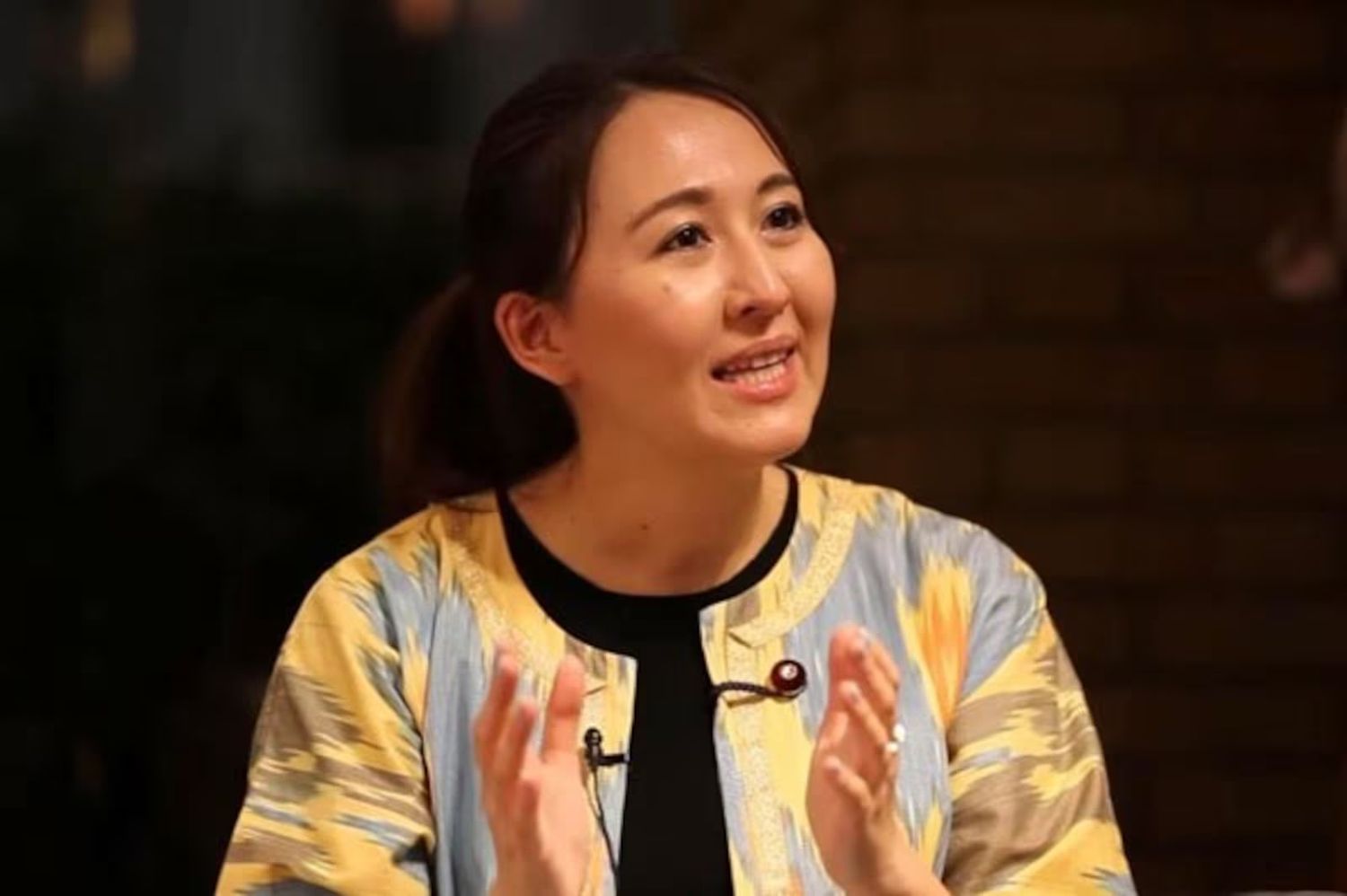
TOKYO (UNN)— Japanese lawmaker Arfiya Eri, who is of Uyghur and Uzbek heritage, secured a third parliamentary term following a snap election called by Prime Minister Sanae Takaichi, a vote widely seen as an early test of the government’s political footing.
Her reelection comes amid growing global attention to minority representation within democratic legislatures.
The ruling Liberal Democratic Party won 316 seats, reinforcing its dominant position in the lower house. Together with coalition partner Nippon Ishin no Kai, which captured 36 seats, the governing camp secured a commanding majority. The margin is expected to strengthen the government’s ability to advance legislation with reduced reliance on opposition support.
Takaichi dissolved parliament in a bid to strengthen her governing mandate, triggering a closely watched campaign focused on economic policy, national security and Japan’s regional posture. Observers say the outcome could give the government greater legislative latitude as it navigates economic pressures and a shifting security environment in East Asia.
Confirming the result in a post on X, Eri thanked supporters and pledged continued service to her constituency.
“Thanks to everyone’s support, I was able to be elected to my third term. Truly, thank you so much,” she wrote. “From now on as well, I will do my very best for Chiba’s 5th district and for Japan.”
Eri represents Chiba’s 5th district and is among a small number of Japanese politicians with immigrant backgrounds — a distinction that has drawn attention from Uyghur communities overseas.
Congratulatory messages emerged across the global Uyghur diaspora following the result. Hairinsa Yasen, a Uyghur intellectual based in Japan, wrote on Facebook, “Congratulations to our daughter Arfiya! She has been elected as a member of the House of Representatives for the third time.” Her message underscores the pride many Uyghurs in Japan associate with Eri’s political trajectory.
Dilnur Reyhan, a senior researcher at the Oriental Institute of the Czech Academy of Sciences, likewise welcomed the outcome. Writing on Facebook, she said, “Congratulations Arfiye. The first-ever deputy of Uyghur origin, Arfiye Eri has again won her seat as a member of parliament for a third consecutive term.” Her remarks reflect the significance many Uyghurs across Europe attach to Eri’s continued presence in national politics.
Eri, who serves as Japan’s Parliamentary Vice-Minister for Foreign Affairs, secured a third consecutive term in the House of Representatives with the latest victory.
For some Uyghurs abroad, Eri’s political rise carries symbolic weight. Governments and human rights organizations continue to raise concerns about Beijing’s policies in the Uyghur region, which many Uyghurs refer to as East Turkistan.
Her continued presence in Japan’s national legislature is being closely watched by Uyghur communities worldwide. Her career is often viewed as an uncommon example of diaspora representation within a major democratic institution.


















Be First to Comment