OPINION
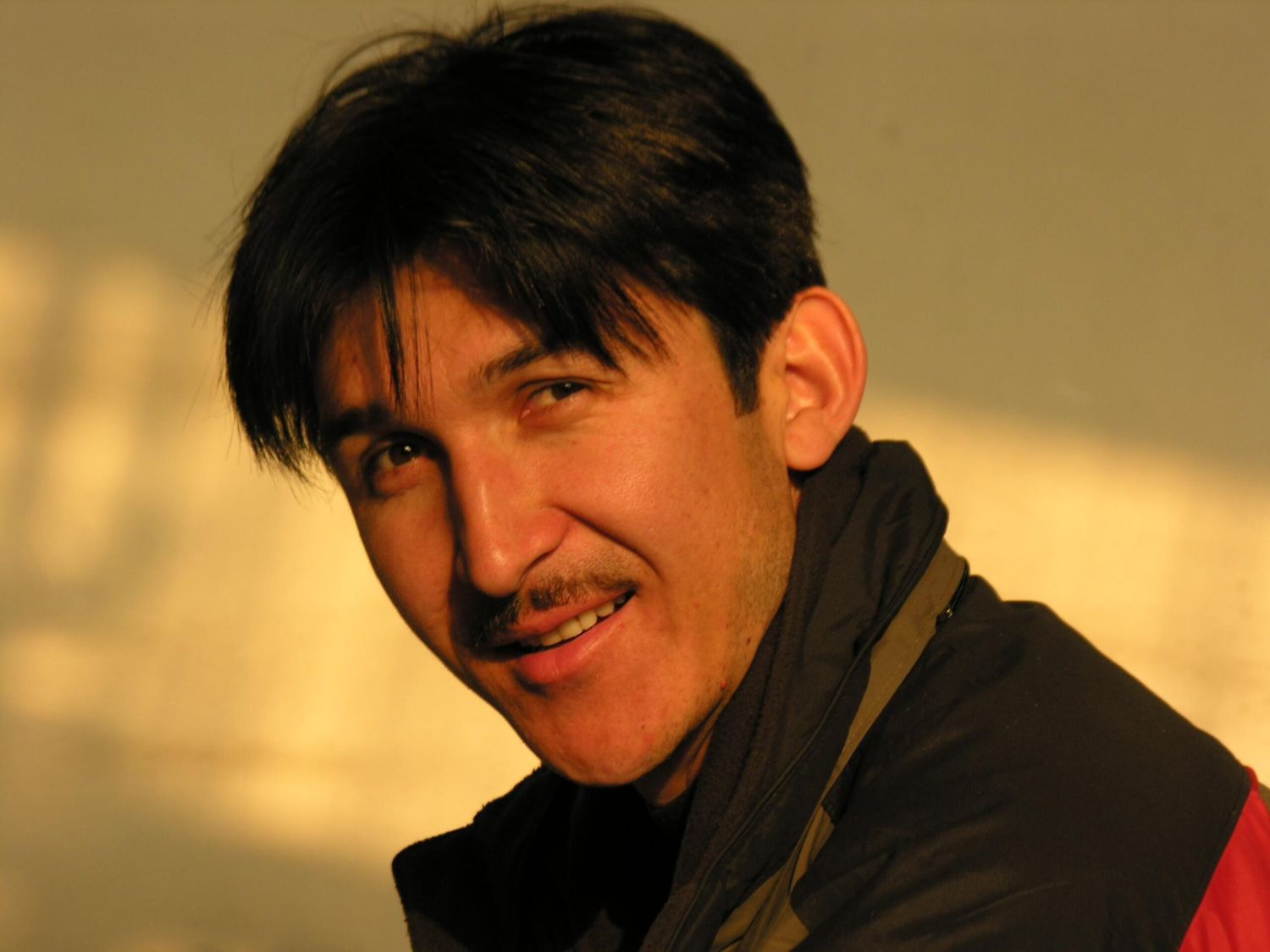
By: Mamatjan Juma
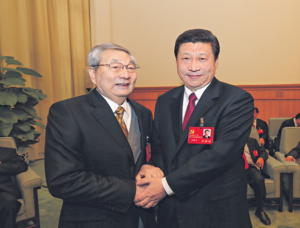
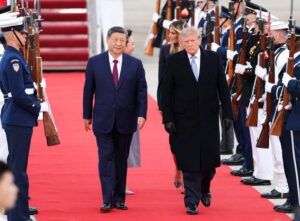
When President Trump meets Xi Jinping in Beijing, the talks will cover trade, Taiwan, technology. Not my brother.
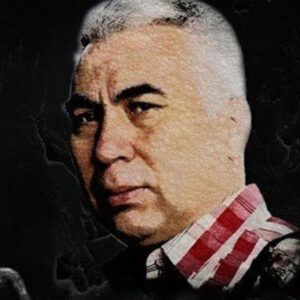
His name is Ahmetjan Juma.
Chinese authorities first arrested him in 2006 and tortured him in detention before releasing him. They came back in 2009. Then again in May 2017, sentencing him to 14 years for what they called a “foreign connection.” That connection was me.
He was not the only one. Two other brothers were also arrested. One was tortured. To this day, I do not know with certainty that either of them is safe.
For nearly two decades, I worked at Radio Free Asia, one of the few outlets reporting on what was happening behind China’s walls of censorship. My family began facing harassment from Chinese authorities as early as 2007. I cannot call anyone from my family now. A phone call from me puts them in danger. We live knowing that what we say in a free country can bring punishment to someone trapped in an unfree one.
Ahmetjan has been in prison for more than nine years. While he was inside, our father died. He never got to say goodbye. He still does not know where our father is buried.
Neither do I.
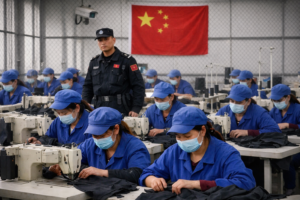
In January 2021, the first Trump administration made a formal determination: China was committing genocide against Uyghurs and other Turkic Muslim peoples in Xinjiang. Not a symbolic gesture — it was based on documented evidence of mass internment, forced labor, forced sterilization, torture, and the systematic destruction of Uyghur identity.
Beijing has since tried to reframe the story. It says the camps are closed. Xinjiang is stable. It flew foreign influencers to post videos about happy dancing Uyghurs and thriving markets. Highways and factories are photographed. Performances are staged.
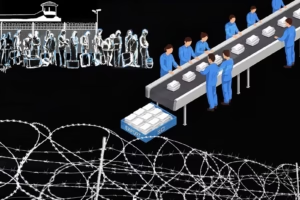
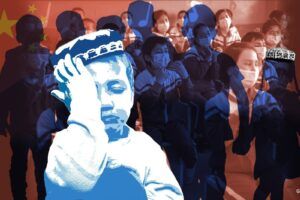
But prisons don’t disappear because propaganda says they do. Human Rights Watch has estimated that Chinese authorities sentenced roughly half a million people through the formal criminal justice system during the crackdown. Many held in camps weren’t released — they were transferred into prisons. Others received long sentences after closed trials on vague political charges. Their names don’t appear in diplomatic communiqués. Their suffering is designed to be invisible.
What happens in Beijing is not just a negotiation over tariffs and technology. It is a choice about what the United States is willing to say out loud to a government that has imprisoned its own people by the hundreds of thousands.
The Uyghur crisis doesn’t sit outside American strategic interests — it runs through them. Forced labor, surveillance exports, the intimidation of diaspora communities in American cities. These are not separate issues.
I left Radio Free Asia last March. My brother is still in prison. Honest journalism became the pretext for locking him up, and silence has done nothing to unlock the door.
President Trump should raise specific prisoner cases with Xi directly — including those imprisoned in retaliation for the work of relatives abroad. He should ask for names, locations, health conditions. He should make clear the United States hasn’t walked away from its own genocide determination. He should push for independent access to the region, an end to forced labor, and the reunion of divided families.
None of this should get folded into trade language and buried.
Beijing will call it interference. It always does. But mass imprisonment is not an internal affair. And when the people being punished are relatives of journalists and citizens living inside the United States, the question is no longer somewhere far away.
My brother has lost more than nine years. Other families have lost more than that. Some don’t know if their relatives are alive. When Trump sits with Xi, he should carry their names.
Deals get renegotiated. Markets move. But Ahmetjan cannot get back the years he lost, or the chance to bury his father. The United States once looked at what China was doing to the Uyghurs and called it what it was. That judgment didn’t come with an expiration date.





Be First to Comment